Explore Real-World Home Workouts
Every session on this site is built around realistic bodyweight moves, approachable mobility routines, and habit-forming weekly plans for adults.
Step-By-Step
Each workout provides plain, practical instructions.
All Levels Welcome
No assumptions about prior fitness or athletic background.
No Gear Required
Movements use bodyweight and everyday home spaces.
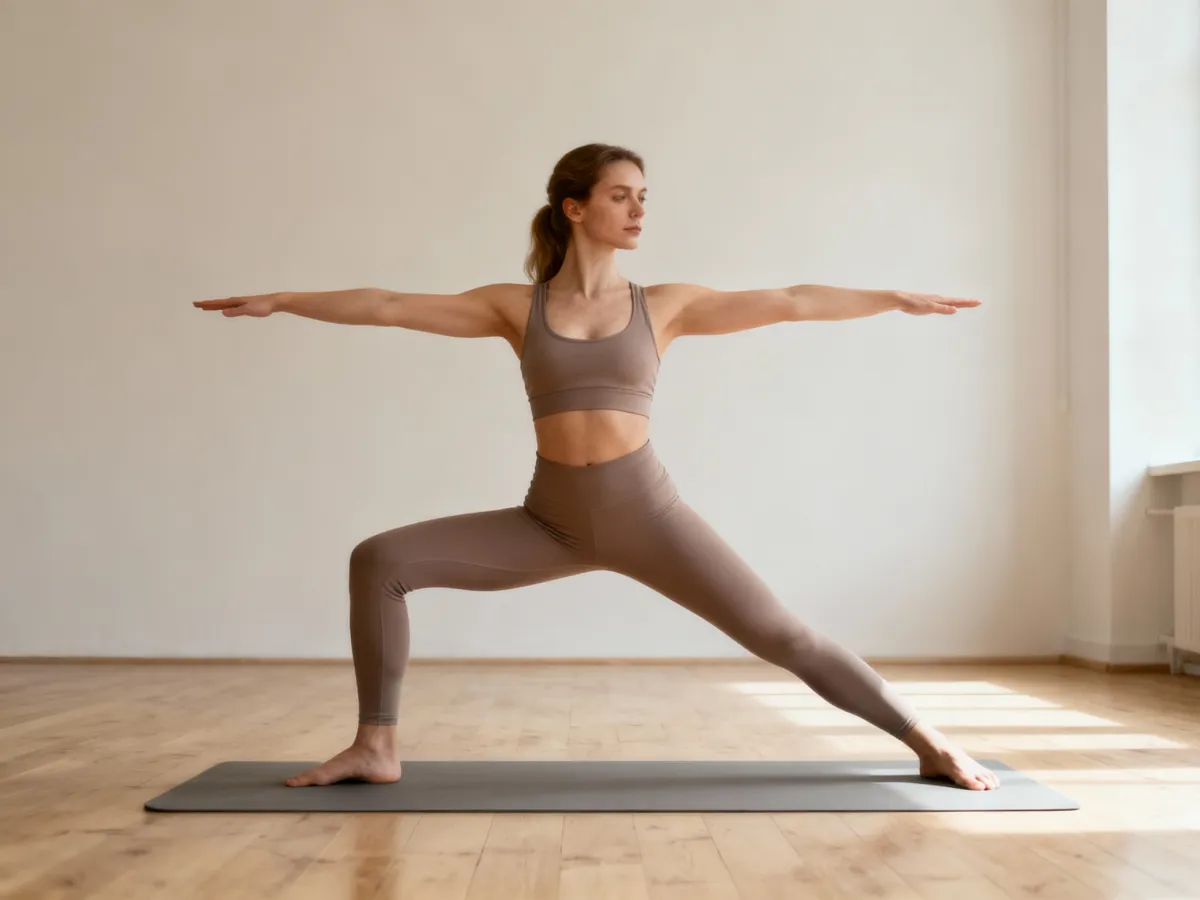
Full Body
Beginner-Friendly Routine Example
It is a myth that home workouts need to be complicated. This example routine covers all major muscle groups, starts with a simple warmup, and ends with light stretching. Each exercise is described for clarity and adaptation.
Focus is on form, not intensity. Aim for two to three rounds—rest as needed. Tracking progress can help you spot gradual improvements, even if small at first.

Gentle Joint Rotations
Slow, controlled joint circles (shoulders, hips, wrists, ankles) improve range of motion and ease daily tasks. These exercises are simple to learn, take only a few minutes, and can be done while standing or seated. They’re especially helpful at the start or end of a session.

Spinal Twists
Rotational stretches target the spine. Sit on a mat or chair, rotate gently, and focus on breathing steadily. This improves back comfort and posture—ideal for those who sit often during the week. Proceed with mindful, gentle movement to avoid overrotation.

Daily Stretch Flow
A quick flow—such as cat-cow, chest opener, and forward fold—keeps joints comfortable. This daily session does not require special skill. Aim for gentle transitions and listen for any discomfort, adapting as needed.
Quick Home Fitness Tips
Small errors hinder consistency most
Keep It Visible
Lay out your mat the night before or set reminders—out of sight often means out of mind.
Short Is Fine
A ten-minute routine is still progress. Small sessions remove the barrier of needing free hours.
Form Over Speed
Movement quality matters more than repetition speed. Fewer, better reps reduce risk of strains.
Build In Recovery
Regular stretching and breaks make injury less likely and help reinforce your routine.
Troubleshooting Workouts at Home
Pause immediately, check your form, and try a modified version. If discomfort persists, consult a healthcare professional before continuing.
Changing main moves every two to four weeks keeps progress steady without overwhelming your body.
Yes. Plateaus are common. Tracking small wins and maintaining consistency builds a more resilient routine.
Routines are starting points—adapt to your energy, space, and comfort each week. Consistency matters most.